EssayIdiomUncorrected Toru Jul 25, 2021Jan 02, 2024 0 Comments 1915, angry, eye, fury, glare, shape, stern, triangle Me wo Sankaku ni Suru (目を三角にする – Getting Angry with a Stern Glare) Me wo Sankaku ni Suru 目を三角にする When someone gets angry and lifts the corners of his/her eyes up, it can Read More
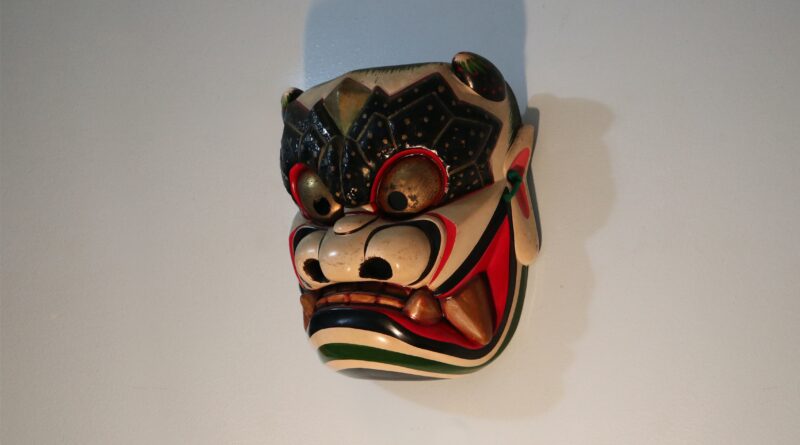
CorrectedEssayProverb Toru Jul 24, 2021Jan 02, 2024 0 Comments 1914, cruel, cry, eye, heart, ogre, scary, scene, tears Oni no Me ni mo Namida (鬼の目にも涙 – Tears from the Hardest Heart) Oni no Me ni mo Namida 鬼の目にも涙 Is there anyone around you who is cruel and scary like an ogre? Read More
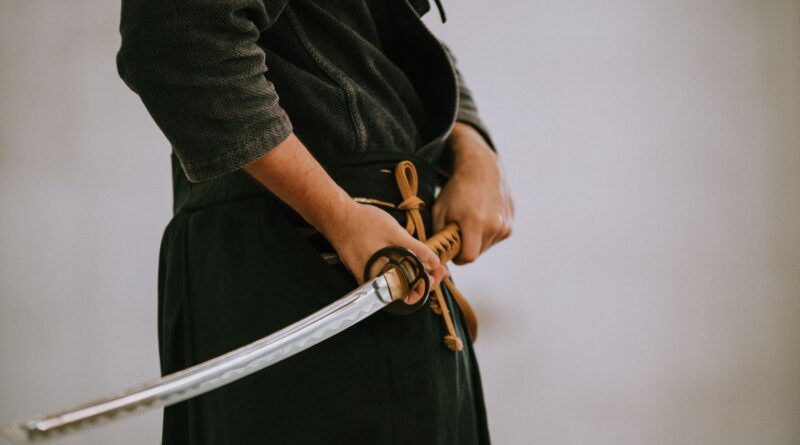
CorrectedEssayHistoryProverb Toru Jul 23, 2021Jan 02, 2024 0 Comments 1913, Benkei, Heian period, samurai, strong, sword Benkei ni Naginata (弁慶に薙刀 – Adding Wings to a Tiger) Benkei ni Naginata 弁慶に薙刀 In yesterday’s post, I introduced the idiom oni ni kanabō (鬼に金棒), which means “making an already Read More
CorrectedEssayProverb Toru Jul 22, 2021Jan 02, 2024 0 Comments 1912, metal, ogre, rod, strong, weapon Oni ni Kanabō (鬼に金棒 – Adding Wings to a Tiger) Oni ni Kanabō 鬼に金棒 When an already strong person or thing becomes stronger by adding something, it can be described Read More
CorrectedEssayEtymologyIdiom Toru Jul 21, 2021Jan 02, 2024 0 Comments 1911, blood, Edo period, excited, excitement, festival, make a fuss, metaphor Chi ga Sawagu (血が騒ぐ – Excited) Chi ga Sawagu 血が騒ぐ When you get excited that you can’t stay still, it can be called chi ga sawagu Read More
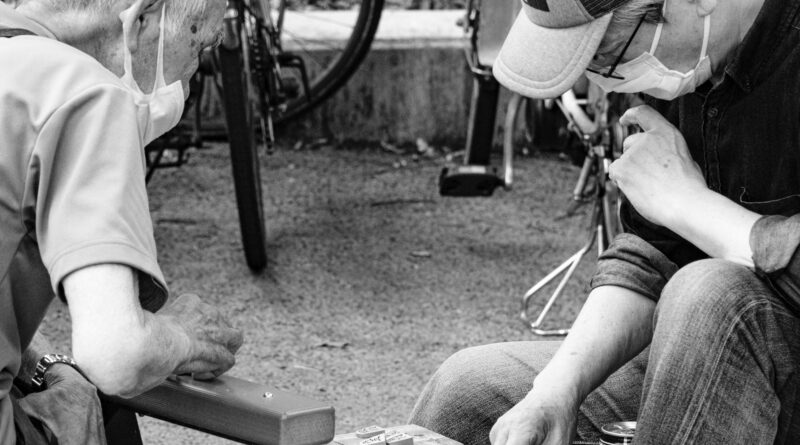
CorrectedEssayEtymologyIdiom Toru Jul 20, 2021Jan 02, 2024 0 Comments 1910, accident, board game, chess, domino, human avalanche, knock down, shogi Shōgi Daoshi (将棋倒し – Human Avalanche) Shōgi Daoshi 将棋倒し An accident where many people fall down one after another in a chain is sometimes referred to Read More
CorrectedEssayKanji Toru Jul 19, 2021Jan 02, 2024 0 Comments 1909, adverb, few, many, noun, some Tashō (多少 – Some) Tashō 多少 I often use the word tashō (多少) in my daily life. 私はよく「多少」という表現を使います。 Since ta (多) means “many” and Read More
Japanese traditionKanjiUncorrected Toru Jul 18, 2021Jul 31, 2021 0 Comments beautiful, dance, ephemeral, flurry, metaphor, petal, snow, snow fluffy, wind Kazahana (風花 – Snow Flurry) Kazahana 風花 On a sunny day, when snow falls fluttering, or when snow on mountains flurries by the wind, we Read More
CorrectedEssaySlang Toru Jul 17, 2021Jul 31, 2021 0 Comments boil, comic, grill, ingredient, movie, punishment, survival, treat, want, whatever Nirunari Yakunari (煮るなり焼くなり – Whatever You Want) Nirunari Yakunari 煮るなり焼くなり When you do not care how you are treated or what punishment comes to you, you can Read More