Skip to content
Saturday, December 6, 2025
Latest:
  • Kakuritsuki (確率機 – Crane Game with Probability Control): Part 1
  • Tazan no Ishi (他山の石 – Drawing a Lesson)
  • Kōkai Saki ni Tatazu (後悔先に立たず – Repentance Comes too Late)
  • Jinsei Yama Ari Tani Ari (人生山あり谷あり – Life Has Its Ups and Downs)
  • Neko wa Kotatsu de Maruku Naru (猫はこたつで丸くなる – Cats Curl up under the Kotatsu)

Learning English and Japanese

For everyone learning English/Japanese
  • Latest Posts
  • Etymology
  • Proverb
  • Idiom
  • History
  • Culture
  • Food
  • Slang
  • Diary
  • About This Site
AnimalCultureEssayEtymologyIdiomJapanese traditionLanguageUncorrected
Toru Jan 23, 2024Jan 24, 2024 beak, chick, idiom, immature, inexperienced, Japanese, Kuchibashi ga Kīroi, metaphor, yellow, young

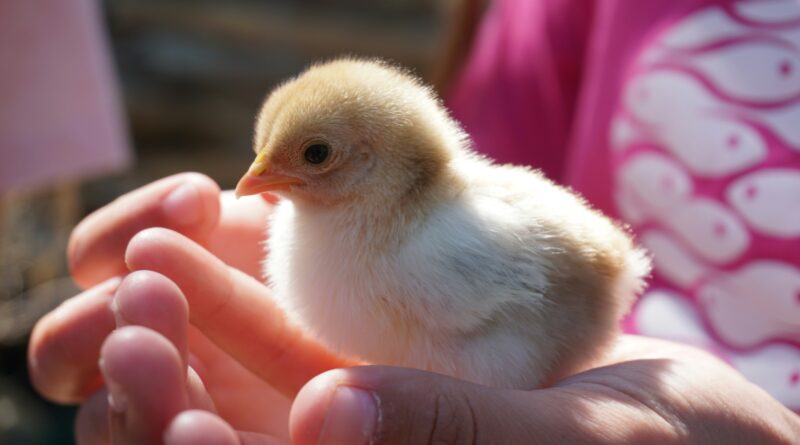
Kuchibashi ga Kīroi (くちばしが黄色い – Young and Inexperienced)

Kuchibashi ga Kīroi くちばしが黄色い The Japanese idiom kuchibashi ga kīroi (くちばしが黄色い) describes that someone is still young, inexperienced, and immature. Read More
CultureEducationEssayIdiomJapanese traditionLanguageProverbUncorrected
Toru Jan 22, 2024Jan 23, 2024 Ashita wa Ashita no Kaze ga Fuku, blow, idiom, Japanese, let things go, meaning, proverb, tomorrow, wind, worry

Ashita wa Ashita no Kaze ga Fuku (明日は明日の風が吹く – Tomorrow Is Another Day)

Ashita wa Ashita no Kaze ga Fuku 明日は明日の風が吹く When you feel down due to unpleasant experiences, you may brood over Read More
CultureEssayEtymologyJapanese traditionLanguageSlangUncorrected
Toru Jan 21, 2024Jan 23, 2024 daily conversation, henchmen, Japanese language, meaning, organization, shatei, term, yakuza, younger brother

Shatei (舎弟 – Henchman)

Shatei 舎弟 Someone’s younger brother or someone treated like a younger brother can be referred to as shatei (舎弟). 自分の弟や、弟のように扱う関係の人のことを、「舎弟」と言うことがあります。 Read More
CommunicationCultureEssayJapanese traditionLanguageUncorrected
Toru Jan 20, 2024Jan 23, 2024 greeting card, Japanese culture, kanchū mimai, mochū hagaki, mourning, nengajō, New Year, postcard, ritual

Mo ni Fukusu (喪に服す – Mourning): Part 2

Mo ni Fukusu: Part 2 喪に服す Part 2 During the period of mo ni fukusu (喪に服す – “mourning”), there are Read More
CultureEssayEtymologyJapanese traditionKanjiLanguageUncorrected
Toru Jan 19, 2024Jan 23, 2024 death, fukumo, fukumochū, Japanese culture, mo ni fukusu, mochū, mourning, period, relative, spend time

Mo ni Fukusu (喪に服す – Mourning): Part 1

Mo ni Fukusu: Part 1 喪に服す Part 1 In Japanese culture, after the death of a loved one, people refrain Read More
AnimalCorrectedCultureEducationEssayEtymologyIdiomJapanese traditionLanguageProverb
Toru Jan 18, 2024Jan 20, 2024 experience, frog, Japanese, know, knowledge, metaphor, ocean, perspective, proverb, well

I no Naka no Kawazu Taikai wo Shirazu (井の中の蛙大海を知らず – A Big Fish in a Little Pond)

I no Naka no Kawazu Taikai wo Shirazu 井の中の蛙大海を知らず People living in a small world, lacking knowledge and experience, cannot Read More
CultureEssayEtymologyIdiomJapanese traditionKanjiLanguageUncorrected
Toru Jan 17, 2024Feb 11, 2024 abilities, bite, compete, ha ga tatanai, hard, idiom, Japanese, negative suffix, stand, tooth

Ha ga Tatanai (歯が立たない – Unable to Compete With)

Ha ga Tatanai 歯が立たない The Japanese idiom ha ga tatanai is used to describe a situation where someone is beyond Read More
CultureEssayEtymologyIdiomJapanese traditionKanjiLanguageUncorrected
Toru Jan 16, 2024Jan 17, 2024 helpless, idiom, Japanese, literal meaning, negative suffix, te mo ashi mo denai, unable to handle, unable to move

Te mo Ashi mo Denai (手も足も出ない – Helpless)

Te mo Ashi mo Denai 手も足も出ない The Japanese idiom te mo ashi mo denai describes a situation where there is Read More
ArtCultureEssayEtymologyIdiomJapanese traditionLanguageUncorrected
Toru Jan 15, 2024Jan 17, 2024 anime, dot, eye, Japanese idiom, manga, me ga ten ni naru, origin, shock, surprise, to become

Me ga Ten ni Naru (目が点になる – Surprised)

Me ga Ten ni Naru 目が点になる The Japanese idiom me ga ten ni naru (目が点になる) describes someone being terribly surprised Read More
  • ← Previous
  • Next →

Calendar

December 2025
M T W T F S S
1234567
891011121314
15161718192021
22232425262728
293031  
« Feb    
Follow @kanotown Tweets by kanotown

Categories

Tags

adjective body cat character children conversation Edo period English etymology expression eye feeling four-character idiom heart idiom Japan Japanese Japanese idiom kanji language literal meaning meaning metaphor mind mistake money negative onomatopoeia phrase polite proverb rain situation slang sleep study term theory Tokyo university verb water woman word work

Recent Comments

  • Lola on Chinchin/Acchinchin/Chinchikochin (ちんちん/あっちんちん/ちんちこちん – Very Hot)
  • Oscar on Keizoku wa Chikara Nari (継続は力なり – Practice Makers Perfect)
  • Ayame on Tama no Koshi ni Noru (玉の輿に乗る – Cinderella Story)

Recent Posts

  • Kakuritsuki (確率機 – Crane Game with Probability Control): Part 1
  • Tazan no Ishi (他山の石 – Drawing a Lesson)
  • Kōkai Saki ni Tatazu (後悔先に立たず – Repentance Comes too Late)
  • Jinsei Yama Ari Tani Ari (人生山あり谷あり – Life Has Its Ups and Downs)
  • Neko wa Kotatsu de Maruku Naru (猫はこたつで丸くなる – Cats Curl up under the Kotatsu)

Archives

Categories

© 2025 Learning English and Japanese.