Skip to content
Wednesday, April 29, 2026
Latest:
  • Kakuritsuki (確率機 – Crane Game with Probability Control): Part 1
  • Tazan no Ishi (他山の石 – Drawing a Lesson)
  • Kōkai Saki ni Tatazu (後悔先に立たず – Repentance Comes too Late)
  • Jinsei Yama Ari Tani Ari (人生山あり谷あり – Life Has Its Ups and Downs)
  • Neko wa Kotatsu de Maruku Naru (猫はこたつで丸くなる – Cats Curl up under the Kotatsu)

Learning English and Japanese

For everyone learning English/Japanese

  • Latest Posts
  • Etymology
  • Proverb
  • Idiom
  • History
  • Culture
  • Food
  • Slang
  • Diary
  • About This Site
CultureEssayEtymologyFoodIdiomSlangUncorrected
Toru Sep 29, 2016Jan 06, 2024 actor, atarru, daikon, etymology, food poisoning, ham actor, Japanese, performance, shiro, vegetable

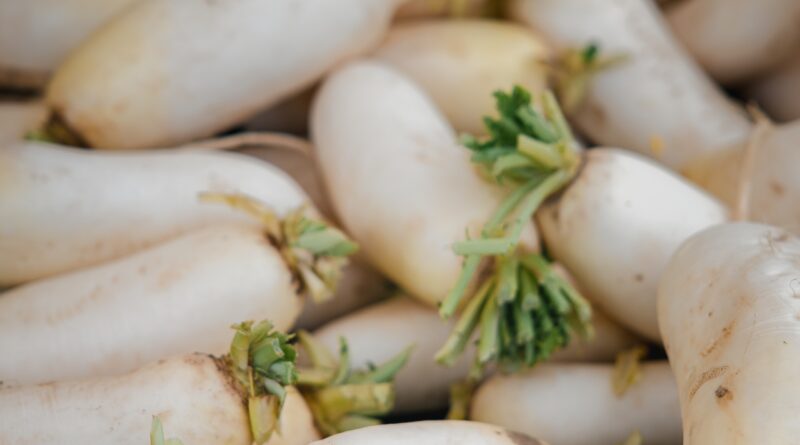
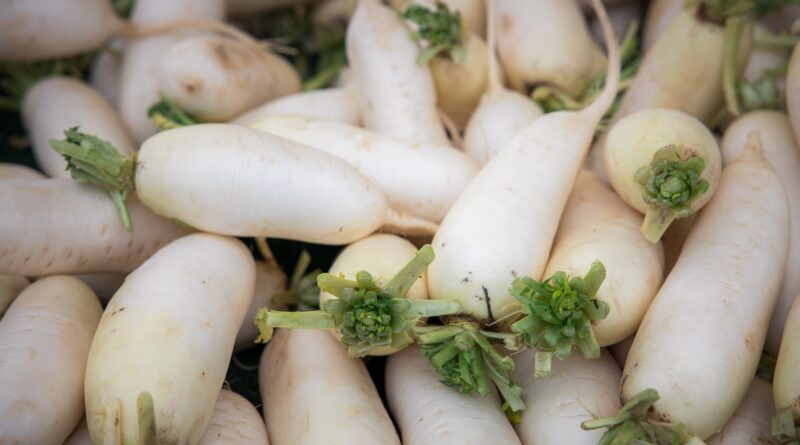
Daikon Yakusha (Daikon Radish Actor)

Daikon Yakusha 大根役者 Yesterday, I talked about the word “daikon ashi” (daikon radish legs). 昨日は、大根足という言葉を紹介しました。 Today, I’d like to talk Read More
CultureEssayEtymologyIdiomJapanese traditionKanjiSlangUncorrected
Toru Sep 28, 2016Jan 06, 2024 compliment, daikon-ashi, expression, Japanese, legs, past, radish, slip of the tongue, thick, women

Daikon-ashi (Daikon Radish Legs)

Daikon-ashi 大根足 Today, I will talk about the Japanese word “daikon-ashi”. 今日は、「大根足」という言葉を紹介します。 The literal meaning is “daikon/Japanese radish legs”, and Read More
AnimalCultureEssayEtymologyJapanese traditionScienceUncorrected
Toru Sep 27, 2016Jan 06, 2024 brood pouches, dragons, eggs, females, heart-shaped, juveniles, males, romantic, seahorses, tatsu no otoshigo

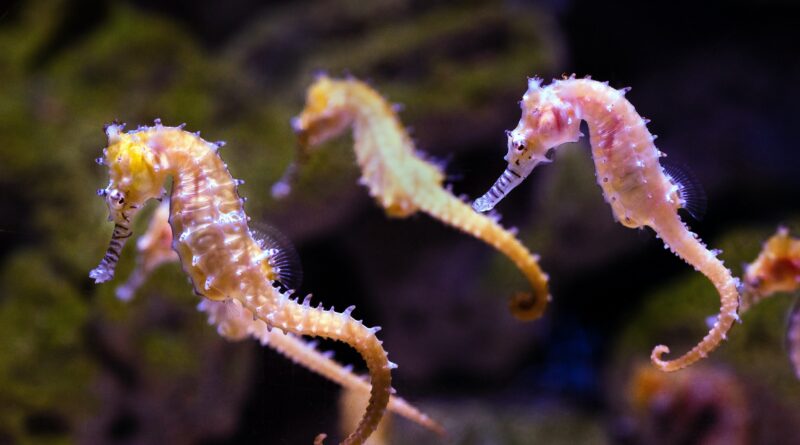
Seahorses

Today, I will talk about the fish called “seahorses”, which have interesting shapes. タツノオトシゴ Seahorses are called “tatsu no otoshigo” Read More
CultureEssayIdiomJapanese traditionProverbUncorrected
Toru Sep 26, 2016Jan 06, 2024 inu mo arukeba bo ni ataru, Japanese proverb, kaho ha nete mate, unexpected fortune, unexpected misfortune

Inu mo arukeba bo ni ataru

Today, I’d like to talk about the famous Japanese proverb “inu mo arukeba bo ni ataru.” 犬も歩けば棒に当たる The literal translation Read More
CultureEssayEtymologyIdiomJapanese traditionOnomatopoeiaSlangUncorrected
Toru Sep 25, 2016Jan 06, 2024 dialect, emphasis, excessive, Japanese, meanings, mucha-kucha, rhythm, similar, unreasonable, word

Mecha-kucha

Today, I will talk about the Japanese word “mucha-kucha”. むちゃくちゃ The “mucha” in “mucha-kucha” means that “something is unreasonable,” or Read More
CultureEssayEtymologyIdiomJapanese traditionProverbUncorrected
Toru Sep 24, 2016Jan 06, 2024 burnt stone, derivation, effort, evaporate, eye-drops, help, Japanese proverb, literal meaning, nikai kara megusuri, Yakeishi ni mizu

Yakeishi ni Mizu

Today, I will talk about the Japanese proverb “yakeishi ni mizu.” 焼け石に水 The literal meaning is “water to a burnt Read More
CultureEssayEtymologyJapanese traditionKanjiScienceUncorrected
Toru Sep 23, 2016Jan 06, 2024 animals, body, humans, Japanese, kanji, karada, mind, physical, shintai, word

Karada (Body)

Karada からだ Today, I’d like to talk about the Japanese word “karada”, which has two different kanji. 今日は、二つの異なる漢字表記を持つ日本語「からだ」を紹介します。 The most Read More
CultureDiaryNewsScienceUncorrected
Toru Sep 22, 2016Jan 06, 2024 academic society, award ceremony, banquet, best-paper award, Ibaraki Prefecture, keynote speech, networking, professors, teacher, Tsukuba

Award Ceremony

Today, an award ceremony of an academic society was held in Tukuba, Ibaraki Prefecture, and I received a best-paper award. Read More
CultureEssayEtymologyHistoryJapanese traditionUncorrected
Toru Sep 21, 2016Jan 06, 2024 come here, dogs, English phrase, Japan, kame, Meiji era, misunderstanding, name, turtles, Western dogs

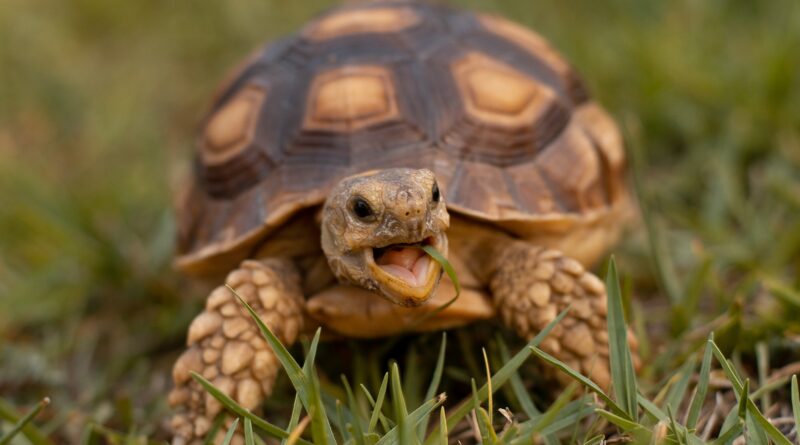
Inu and Kame (Dogs and Turtles)

Inu and Kame 犬と亀 Dogs are called “inu” in Japan. “Dog” は日本語で「犬」です。 However, in the Meiji era, dogs (especially western Read More
  • ← Previous
  • Next →

Calendar

April 2026
M T W T F S S
 12345
6789101112
13141516171819
20212223242526
27282930  
« Feb    
Follow @kanotown Tweets by kanotown

Categories

Tags

adjective body cat character children conversation Edo period English etymology expression eye feeling four-character idiom heart idiom Japan Japanese Japanese idiom kanji language literal meaning meaning metaphor mind mistake money negative onomatopoeia phrase polite proverb rain situation slang sleep study term theory Tokyo university verb water woman word work

Recent Comments

  • Lola on Chinchin/Acchinchin/Chinchikochin (ちんちん/あっちんちん/ちんちこちん – Very Hot)
  • Oscar on Keizoku wa Chikara Nari (継続は力なり – Practice Makers Perfect)
  • Ayame on Tama no Koshi ni Noru (玉の輿に乗る – Cinderella Story)

Recent Posts

  • Kakuritsuki (確率機 – Crane Game with Probability Control): Part 1
  • Tazan no Ishi (他山の石 – Drawing a Lesson)
  • Kōkai Saki ni Tatazu (後悔先に立たず – Repentance Comes too Late)
  • Jinsei Yama Ari Tani Ari (人生山あり谷あり – Life Has Its Ups and Downs)
  • Neko wa Kotatsu de Maruku Naru (猫はこたつで丸くなる – Cats Curl up under the Kotatsu)

Archives

Categories

© 2026 Learning English and Japanese.