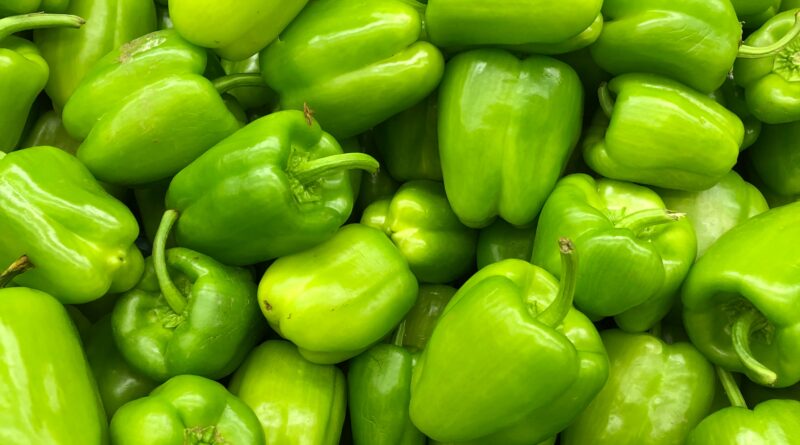
CultureEssayEtymologyFoodIdiomJapanese traditionSlangUncorrected Toru Oct 04, 2016Jan 06, 2024 1970s, brains, empty, etymology, expression, green pepper, insult, Japanese, phrases, pīman Atama ga Piman (Your Head is a Green Pepper) Atama ga Piman 頭がピーマン Today, I will talk about the Japanese insult “atama ga piman,” whose literal meaning is “your Read More
CultureEssayIdiomJapanese traditionProverbUncorrected Toru Oct 03, 2016Jan 06, 2024 carefully, cautiously, confirming, English proverb, fail, irony, Japanese proverb, safe conditions, similar meaning, stone bridge Ishibashi wo Tataite Wataru Today, I will talk about the Japanese proverb “ishibashi wo tataite wataru.” 石橋を叩いて渡る The literal meanings is “to cross a Read More
ClimateCultureEssayFoodJapanese traditionKanjiUncorrected Toru Oct 02, 2016Jan 06, 2024 air conditioner, chilled, cool, hieru, kanji, paper fan, refrigerator, rice, sameru, temperature Hieru” and “Sameru Today, I will talk about the similar Japanese words “hieru” and “sameru”. 「冷える」と「冷める」 Both of them use the same kanji Read More
CultureEssayEtymologyHistoryIdiomJapanese traditionProverbUncorrected Toru Oct 01, 2016Jan 06, 2024 Chinese medicine, Edo period, give up, Japanese idiom, medicine, pharmaceutical, saji o nageru, senryu, spoon, treatment Saji o Nageru (Throw a Spoon) Saji o Nageru 匙を投げる Today, I will talk about the Japanese idiom “saji o nageru.” 今日は日本の慣用句「匙を投げる」を紹介します。 The literal meaning is Read More
CultureEssayEtymologyIdiomJapanese traditionProverbUncorrected Toru Sep 30, 2016Jan 06, 2024 boastful, etymology, expression, hana ga takai, Japanese idiom, mythical creature, nuance, proud, symbol of pride, Tengu Hana ga Takai (Long Nose) Today, I will talk about the Japanese idiom “hana ga takai,” whose literal meaning is “long nose”. 鼻が高い Of course, Read More
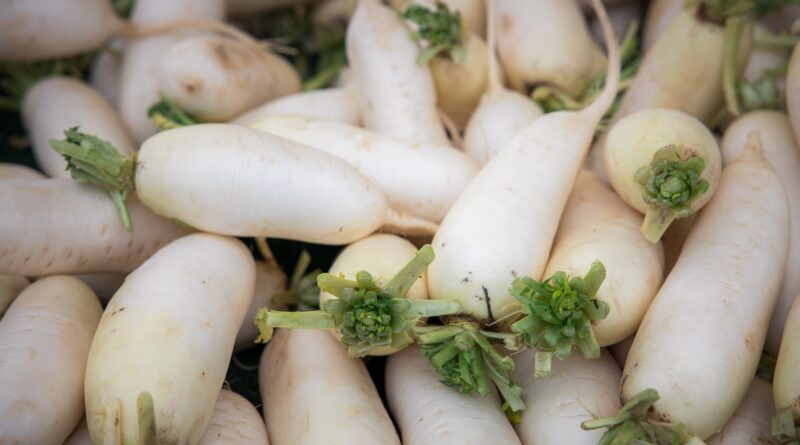
CultureEssayEtymologyFoodIdiomSlangUncorrected Toru Sep 29, 2016Jan 06, 2024 actor, atarru, daikon, etymology, food poisoning, ham actor, Japanese, performance, shiro, vegetable Daikon Yakusha (Daikon Radish Actor) Daikon Yakusha 大根役者 Yesterday, I talked about the word “daikon ashi” (daikon radish legs). 昨日は、大根足という言葉を紹介しました。 Today, I’d like to talk Read More
CultureEssayEtymologyIdiomJapanese traditionKanjiSlangUncorrected Toru Sep 28, 2016Jan 06, 2024 compliment, daikon-ashi, expression, Japanese, legs, past, radish, slip of the tongue, thick, women Daikon-ashi (Daikon Radish Legs) Daikon-ashi 大根足 Today, I will talk about the Japanese word “daikon-ashi”. 今日は、「大根足」という言葉を紹介します。 The literal meaning is “daikon/Japanese radish legs”, and Read More
AnimalCultureEssayEtymologyJapanese traditionScienceUncorrected Toru Sep 27, 2016Jan 06, 2024 brood pouches, dragons, eggs, females, heart-shaped, juveniles, males, romantic, seahorses, tatsu no otoshigo Seahorses Today, I will talk about the fish called “seahorses”, which have interesting shapes. タツノオトシゴ Seahorses are called “tatsu no otoshigo” Read More
CultureEssayIdiomJapanese traditionProverbUncorrected Toru Sep 26, 2016Jan 06, 2024 inu mo arukeba bo ni ataru, Japanese proverb, kaho ha nete mate, unexpected fortune, unexpected misfortune Inu mo arukeba bo ni ataru Today, I’d like to talk about the famous Japanese proverb “inu mo arukeba bo ni ataru.” 犬も歩けば棒に当たる The literal translation Read More