Skip to content
Friday, January 23, 2026
Latest:
  • Kakuritsuki (確率機 – Crane Game with Probability Control): Part 1
  • Tazan no Ishi (他山の石 – Drawing a Lesson)
  • Kōkai Saki ni Tatazu (後悔先に立たず – Repentance Comes too Late)
  • Jinsei Yama Ari Tani Ari (人生山あり谷あり – Life Has Its Ups and Downs)
  • Neko wa Kotatsu de Maruku Naru (猫はこたつで丸くなる – Cats Curl up under the Kotatsu)

Learning English and Japanese

For everyone learning English/Japanese

  • Latest Posts
  • Etymology
  • Proverb
  • Idiom
  • History
  • Culture
  • Food
  • Slang
  • Diary
  • About This Site
CultureEssayEtymologyIdiomJapanese traditionKanjiUncorrected
Toru Nov 04, 2017Jan 03, 2024 bottom, Buddhism, hell, idiom, Japanese, naraku no soko, rock bottom, Sanskrit, severe situation, translation

Naraku no Soko (奈落の底- Abyss)

Naraku no Soko 奈落の底 A severe situation that you can’t turn around is called “naraku no soko” (奈落の底) in Japanese. Read More
CultureEssayEtymologyJapanese traditionKanjiSlangUncorrected
Toru Nov 03, 2017Jan 03, 2024 chaban, comedy, drama, Japan, kabuki, kyogen, role, tea, theatrical, traditional

Chaban (茶番 – Farce)

Nonsense plays, theatrical behavior, and ridiculous acts are called “chaban” (茶番) or “chaban-geki” (茶番劇) in Japan.(Here the “geki” (劇) means Read More
CultureEssayEtymologyIdiomJapanese traditionScienceUncorrected
Toru Nov 02, 2017Jan 03, 2024 chienetsu, etymology, fever, incorrect use, infants, Japanese term, symptom, teeth, teething fever, wisdom

Chienetsu (知恵熱)

Chienetsu 知恵熱 There is a Japanese term “chienetsu” (知恵熱), which is often used incorrectly. よく間違って使用される日本語に「知恵熱」があります。 The “chie” (知恵) means “wisdom,” Read More
CultureEssayGamingIdiomJapanese traditionSlangUncorrected
Toru Nov 01, 2017Jan 03, 2024 adult, adults, blind package, bulk buying, buy, cards, children, money, otona gai, toys

Otona Gai (大人買い – Buying a Large Amount of Something)

Otona Gai 大人買い When I was a child, I wanted to do “otona gai” (大人買い) someday. 私は子供の頃、いつか「大人買い」をしたいと思っていました。 The “otona” (大人) Read More
CultureEssayEtymologyEuropean countriesFoodJapanese traditionUncorrected
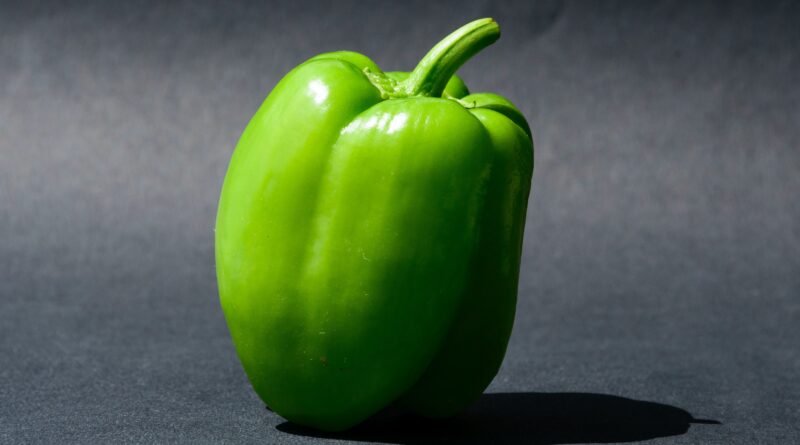
Toru Oct 31, 2017Jan 03, 2024 French, green pepper, Japanese, katakana, loanword, mistranslation, peppers, pīman, piment, poivron

Pīman (ピーマン – Green Pepper)

Pīman ピーマン Do you know what “green pepper” is called in Japanese? “Green pepper” のことを日本語でなんと言うかご存知ですか? As I wrote in this Read More
CultureEssayEtymologyIdiomJapanese traditionKanjiSlangUncorrected
Toru Oct 30, 2017Jan 03, 2024 beasts, birds, dislike, feelings, hair, instinctive, Japan, kegirai, kirai, politics

Kegirai (毛嫌い – Dislike)

Kegirai 毛嫌い Is there something that you don’t like instinctively without any specific reason. これという理由もなく、何かを感情的に嫌うことはありますか? In Japan, we use a Read More
ClimateCultureEssayEtymologyIdiomJapanese traditionKanjiOnomatopoeiaUncorrected
Toru Oct 29, 2017Jan 03, 2024 bamboo, cool, ground, Japanese, old-fashioned, pelting rain, prod, rain, shinotsuku ame, weather

Shinotsuku Ame (篠突く雨 – Intense Rain)

Shinotsuku Ame 篠突く雨 Unfortunately, today’s weather is “shinotsuku ame” (篠突く雨). 今日の天候は「篠突く雨」です。 “Shinotsuku ame” means a pelting rain as much as Read More
CultureEssayFoodJapanese traditionNewsSlangUncorrected
Toru Oct 28, 2017Jan 03, 2024 anxiety, benjo-meshi, eating, friends, Japan, lunchmate syndrome, restroom, unattractive, workplace

Lunchmate Syndrome

These days in Japan, “lunchmate syndrome” has become a problem. ランチメイト症候群 Lunchmate syndrome is a symptom that causes a kind Read More
CultureEssayEtymologyJapanese traditionOnomatopoeiaUncorrected
Toru Oct 27, 2017Jan 03, 2024 etymology, fish, fishing method, force, freshwater, gorioshi, Japanese, opinion, river, sucker-like

Gorioshi (ゴリ押し – Bulldozing)

Gorioshi ゴリ押し To push one’s opinion or way through forcely is called “gorioshi” (ゴリ押し) in Japanese. 自分の考えややり方を強引に押し通すことを、「ゴリ押し」と言います。 The “gori” (ゴリ) Read More

  • ← Previous
  • Next →

Calendar

January 2026
M T W T F S S
 1234
567891011
12131415161718
19202122232425
262728293031  
« Feb    
Follow @kanotown Tweets by kanotown

Categories

Tags

adjective body cat character children conversation Edo period English etymology expression eye feeling four-character idiom heart idiom Japan Japanese Japanese idiom kanji language literal meaning meaning metaphor mind mistake money negative onomatopoeia phrase polite proverb rain situation slang sleep study term theory Tokyo university verb water woman word work

Recent Comments

  • Lola on Chinchin/Acchinchin/Chinchikochin (ちんちん/あっちんちん/ちんちこちん – Very Hot)
  • Oscar on Keizoku wa Chikara Nari (継続は力なり – Practice Makers Perfect)
  • Ayame on Tama no Koshi ni Noru (玉の輿に乗る – Cinderella Story)

Recent Posts

  • Kakuritsuki (確率機 – Crane Game with Probability Control): Part 1
  • Tazan no Ishi (他山の石 – Drawing a Lesson)
  • Kōkai Saki ni Tatazu (後悔先に立たず – Repentance Comes too Late)
  • Jinsei Yama Ari Tani Ari (人生山あり谷あり – Life Has Its Ups and Downs)
  • Neko wa Kotatsu de Maruku Naru (猫はこたつで丸くなる – Cats Curl up under the Kotatsu)

Archives

Categories

© 2026 Learning English and Japanese.