Skip to content
Wednesday, April 29, 2026
Latest:
  • Kakuritsuki (確率機 – Crane Game with Probability Control): Part 1
  • Tazan no Ishi (他山の石 – Drawing a Lesson)
  • Kōkai Saki ni Tatazu (後悔先に立たず – Repentance Comes too Late)
  • Jinsei Yama Ari Tani Ari (人生山あり谷あり – Life Has Its Ups and Downs)
  • Neko wa Kotatsu de Maruku Naru (猫はこたつで丸くなる – Cats Curl up under the Kotatsu)

Learning English and Japanese

For everyone learning English/Japanese

  • Latest Posts
  • Etymology
  • Proverb
  • Idiom
  • History
  • Culture
  • Food
  • Slang
  • Diary
  • About This Site
CultureEssayFoodIdiomJapanese traditionProverbUncorrected
Toru Nov 04, 2016Jan 06, 2024 arm wrestling, caution, effect, entrance, Japanese, meaningless, nails, noren, proverb, rice-bran

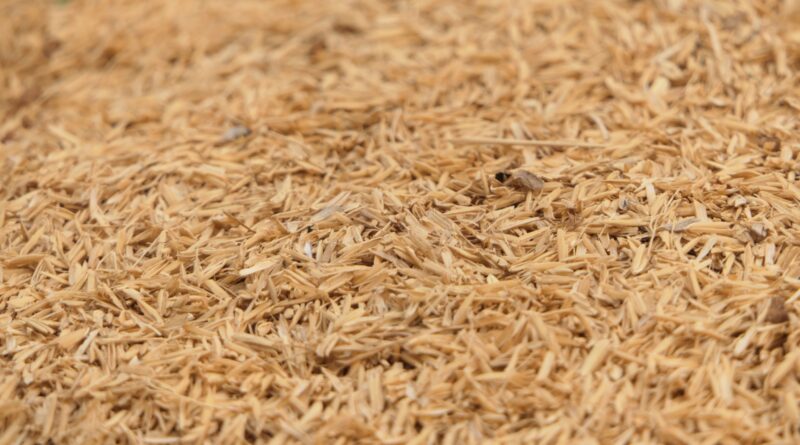
Nuka ni Kugi (Nail Rice-bran Paste)

Nuka ni Kugi 糠に釘 Today, I will talk about the Japanese proverb “nuka ni kugi.” 今日は、「糠に釘」ということわざを紹介します。 “Nuka” means “rice-bran paste,” Read More
ClimateCultureEssayHistoryJapanese traditionUncorrected
Toru Nov 03, 2016Jan 06, 2024 clear skies, Culture Day, Emperor, Imperial Palace, Japan, Kendo Championships, Maritime Self-Defense Force, national holiday, Nippon Budokan, Order of Culture

Culture Day

Today (November 3) is Culture Day, which is a national holiday in Japan. 文化の日 Culture day was established in 1948, Read More
CultureEssayEtymologyGamingIdiomJapanese traditionSlangUncorrected
Toru Nov 02, 2016Jan 06, 2024 etymology, gamblers, horse racing, iron plate, Japanese, joke, reliable, Showa era, slang, teppan

Teppan (Iron Plate)

Teppan 鉄板 Today, I will talk about the Japanese slang “teppan”. 今日は、日本のスラング「鉄板」を紹介します。 “Teppan” usually means “a iron plate” literally, but Read More
AnimalCultureEssayEtymologyIdiomJapanese traditionProverbSlangUncorrected
Toru Nov 01, 2016Jan 06, 2024 culture, deceive, fox sleep, Japanese, phrase, pretend, raccoon dog, sham sleep, sleep, tanuki neiri

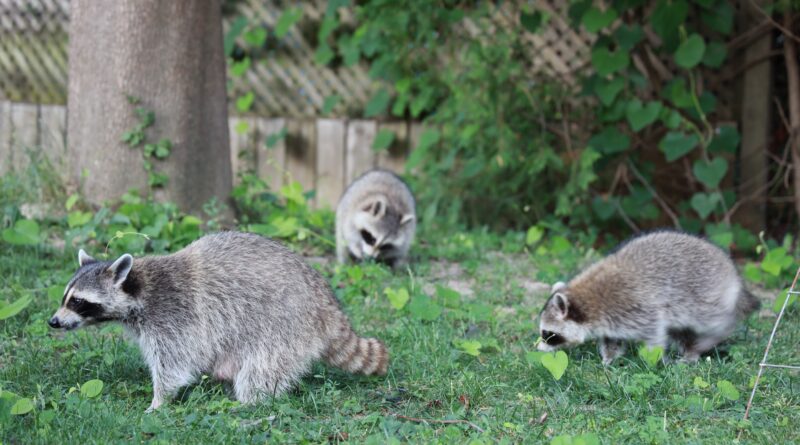
Tanuki Neiri (Sham Sleep)

Tanuki Neiri 狸寝入り Today, I will talk about the Japanese phrase “tanuki neiri.” 今日は日本の言葉「狸寝入り」を紹介します。 “Tanuki” means raccoon dogs, “neiri” means Read More
CultureEssayEtymologyHistoryIdiomJapanese traditionUncorrected
Toru Oct 31, 2016Jan 06, 2024 abbreviation, abekobe, close place, Edo period, faraway place, mirror, opposite, reverse, surroundings, various places

Abekobe

Today, I’d like to talk about the Japanese word “abekobe”. あべこべ “Abekobe” means “opposite” or “reverse”, and this has been Read More
CultureEssayEtymologyIdiomJapanese traditionProverbUncorrected
Toru Oct 30, 2016Jan 06, 2024 culture, dress clothes, etiquette, grandchild, isho, Japan, mago, misinterpretation, proverb, tradition

Mago nimo Isho (Clothes Make the Man)

Mago nimo Isho 馬子にも衣装 Today, I will talk about the proverb “mago nimo isho.” 今日は「馬子にも衣装」ということわざを紹介します。 “Mago” means a person who Read More
ChinaCultureEssayHistoryIdiomProverbUncorrected
Toru Oct 29, 2016Jan 06, 2024 confirm, Han dynasty, hearsay, historical records, hyakubun, ikken, proverb, scenery, understanding

Hyakubun wa Ikken ni Shikazu (Seeing is Believing)

Hyakubun wa Ikken ni Shikazu 百聞は一見に如かず Today, I will talk about the proverb “hyakubun wa ikken ni shikazu.” 今日は、「百聞は一見に如かず」ということわざを紹介します。 “Hyakubun” Read More
CultureEssayEtymologyIdiomJapanese traditionOnomatopoeiaSlangUncorrected
Toru Oct 28, 2016Jan 06, 2024 acclaim, admirable, appare, aware, competitor, excellent, joy, praise, respectable, sorrow

Appare

Today, I will talk about the Japanese word “appare.” あっぱれ “Appare” expresses that something is very respectable or admirable. 今日は「あっぱれ」という日本語を紹介します。 Read More
CultureEssayEtymologyHistoryIdiomJapanese traditionProverbUncorrected
Toru Oct 27, 2016Jan 06, 2024 bo ni furu, boteburi, Edo period, efforts, furiuri, goods, merchant, mizu no awa, sell, vain

Bo ni Furu

In the yesterday post, I introduced a phrase “mizu no awa,” which means that efforts end in vain. 棒に振る Today, Read More
  • ← Previous
  • Next →

Calendar

April 2026
M T W T F S S
 12345
6789101112
13141516171819
20212223242526
27282930  
« Feb    
Follow @kanotown Tweets by kanotown

Categories

Tags

adjective body cat character children conversation Edo period English etymology expression eye feeling four-character idiom heart idiom Japan Japanese Japanese idiom kanji language literal meaning meaning metaphor mind mistake money negative onomatopoeia phrase polite proverb rain situation slang sleep study term theory Tokyo university verb water woman word work

Recent Comments

  • Lola on Chinchin/Acchinchin/Chinchikochin (ちんちん/あっちんちん/ちんちこちん – Very Hot)
  • Oscar on Keizoku wa Chikara Nari (継続は力なり – Practice Makers Perfect)
  • Ayame on Tama no Koshi ni Noru (玉の輿に乗る – Cinderella Story)

Recent Posts

  • Kakuritsuki (確率機 – Crane Game with Probability Control): Part 1
  • Tazan no Ishi (他山の石 – Drawing a Lesson)
  • Kōkai Saki ni Tatazu (後悔先に立たず – Repentance Comes too Late)
  • Jinsei Yama Ari Tani Ari (人生山あり谷あり – Life Has Its Ups and Downs)
  • Neko wa Kotatsu de Maruku Naru (猫はこたつで丸くなる – Cats Curl up under the Kotatsu)

Archives

Categories

© 2026 Learning English and Japanese.