Skip to content
Sunday, January 25, 2026
Latest:
  • Kakuritsuki (確率機 – Crane Game with Probability Control): Part 1
  • Tazan no Ishi (他山の石 – Drawing a Lesson)
  • Kōkai Saki ni Tatazu (後悔先に立たず – Repentance Comes too Late)
  • Jinsei Yama Ari Tani Ari (人生山あり谷あり – Life Has Its Ups and Downs)
  • Neko wa Kotatsu de Maruku Naru (猫はこたつで丸くなる – Cats Curl up under the Kotatsu)

Learning English and Japanese

For everyone learning English/Japanese

  • Latest Posts
  • Etymology
  • Proverb
  • Idiom
  • History
  • Culture
  • Food
  • Slang
  • Diary
  • About This Site
CultureEssayEtymologyHistoryIdiomJapanese traditionUncorrected
Toru Jan 11, 2017Jan 02, 2024 certificate, Edo period, guarantee, Heian period, Japanese sword, katana, official document, origami tsuki, reliable quality, traditional Japanese art

Origami Tsuki (Hallmark)

Today I will talk about the Japanese term “origami tsuki”. 折り紙つき The literal meaning is “attached origami”, and it means Read More
CultureEssayEtymologyIdiomJapanese traditionSlangUncorrected
Toru Jan 10, 2017Jan 02, 2024 black curtain, influence, Japanese, kabuki, kuromaku, male actors, real power, scene changing, stage, traditional drama

Kuromaku (A Black Curtain)

Kuromaku 黒幕 Today I will talk about the Japanese word “kuromaku”. 今日は「黒幕」という日本語を紹介します。 The literal meaning is “a black curtain”, and Read More
CultureEssayJapanese traditionNewsUncorrected
Toru Jan 09, 2017Jan 02, 2024 adulthood, arrested, coming-of-age ceremony, hakama, independence, kimono, national holiday, new adults, Seijin no Hi, Suits

Seijin no Hi (Coming of Age Day)

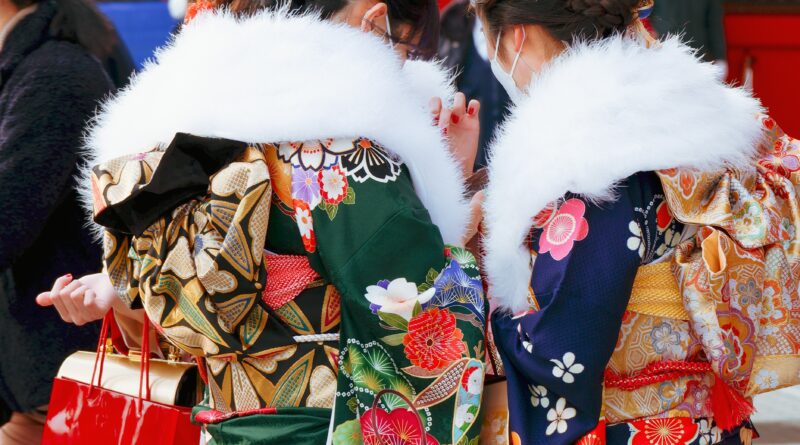
Seijin no Hi 成人の日 Today is a national holiday called “Seijin no Hi” in Japan. 今日は成人の日で、多くの日本国民にとって祝日です。 “Seijin no Hi” is Read More
CultureEssayEtymologyJapanese traditionKanjiUncorrected
Toru Jan 08, 2017Jan 03, 2024 building, construction, Japanese event, kanji, kokera otoshi, opening festivities, persimmons, roof, theater, wood chips

Kokera Otoshi (Dropping Chips of Wood)

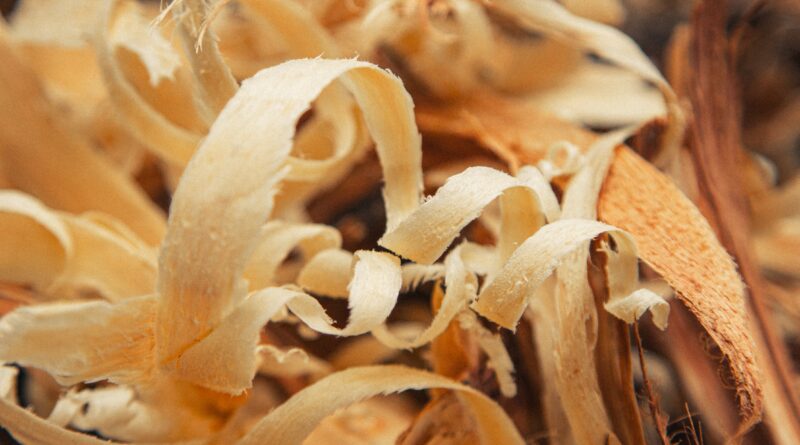
Kokera Otoshi こけら落とし Today I will talk about the Japanese event called “kokera otoshi”. 今日は「こけら落とし」と呼ばれる催しを紹介します。 “Kokera otoshi” is the first Read More
CultureEssayNewsScienceUncorrected
Toru Jan 07, 2017Jan 03, 2024 avoid talking, face covering, hide emotions, hygiene, Japan, makeup, mask dependence, psychological reasons, social problem, young women

Mask Dependence

Nowadays in Japan, the number of mask dependence increases. マスク依存症 They are always wearing dummy masks — it is not Read More
CultureEssayEtymologyHistoryJapanese traditionKanjiSlangUncorrected
Toru Jan 06, 2017Jan 02, 2024 Edo period, interest, Japanese, lascivious, noun, personify, slang, suffix, sukebe, verb

Sukebe

Today I will talk about the Japanese slang “sukebe”. すけべ “Sukebe” means that something or someone is lascivious, and it Read More
CultureEssayHistoryIdiomJapanese traditionUncorrected
Toru Jan 05, 2017Jan 03, 2024 children's play, Edo period, itachi gokko, Japanese idiom, no progress

Itachi Gokko

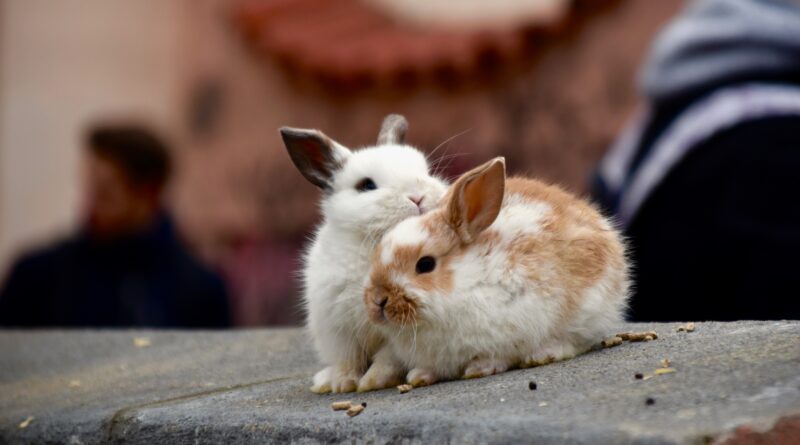
Today I will talk about the Japanese idiom “itachi gokko”. いたちごっこ The literal meaning of “itachi gokko” is “to pretend Read More
CultureEssayEtymologyJapanese traditionKanjiUncorrected
Toru Jan 04, 2017Jan 03, 2024 ganjitsu, gantan, January 1st, Japanese, kanji, matsu no uchi, New Year, san ga nichi, shogatsu

元日(Ganjitsu), 元旦(Gantan), 正月(Shogatsu) — (New Year’s Day)

Today I will talk about the Japanese words, “ganjitsu”, “gantan” and “shogatsu”, which are often misunderstood. 元日、元旦、正月 “元日 (ganjitsu)” means Read More
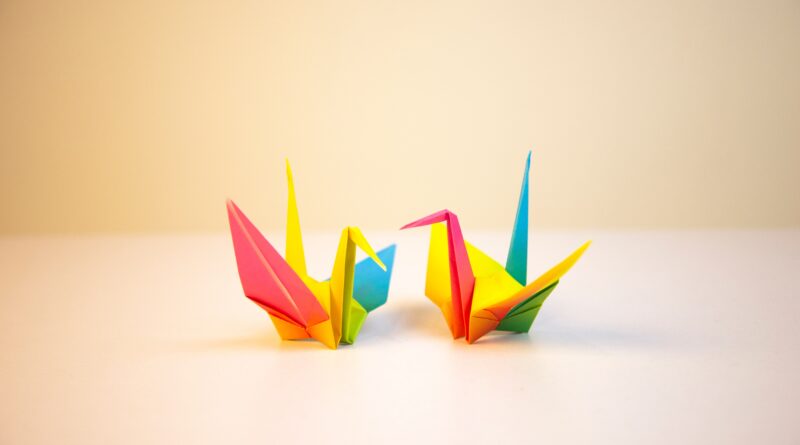
BusinessCultureEssayFoodHistoryJapanese traditionUncorrected
Toru Jan 03, 2017Jan 03, 2024 cleaning, cooking, fuku no kami, God of kitchen, holiday, Japanese companies, New Year, shogatsu san ga nichi, superstitions, washing

Shogatsu San ga Nichi (New Year’s Three Days)

Today is the last day of “shogatsu san ga nichi”..“Shogatsu san ga nichi” (which you can call simply “san ga Read More
  • ← Previous
  • Next →

Calendar

January 2026
M T W T F S S
 1234
567891011
12131415161718
19202122232425
262728293031  
« Feb    
Follow @kanotown Tweets by kanotown

Categories

Tags

adjective body cat character children conversation Edo period English etymology expression eye feeling four-character idiom heart idiom Japan Japanese Japanese idiom kanji language literal meaning meaning metaphor mind mistake money negative onomatopoeia phrase polite proverb rain situation slang sleep study term theory Tokyo university verb water woman word work

Recent Comments

  • Lola on Chinchin/Acchinchin/Chinchikochin (ちんちん/あっちんちん/ちんちこちん – Very Hot)
  • Oscar on Keizoku wa Chikara Nari (継続は力なり – Practice Makers Perfect)
  • Ayame on Tama no Koshi ni Noru (玉の輿に乗る – Cinderella Story)

Recent Posts

  • Kakuritsuki (確率機 – Crane Game with Probability Control): Part 1
  • Tazan no Ishi (他山の石 – Drawing a Lesson)
  • Kōkai Saki ni Tatazu (後悔先に立たず – Repentance Comes too Late)
  • Jinsei Yama Ari Tani Ari (人生山あり谷あり – Life Has Its Ups and Downs)
  • Neko wa Kotatsu de Maruku Naru (猫はこたつで丸くなる – Cats Curl up under the Kotatsu)

Archives

Categories

© 2026 Learning English and Japanese.